
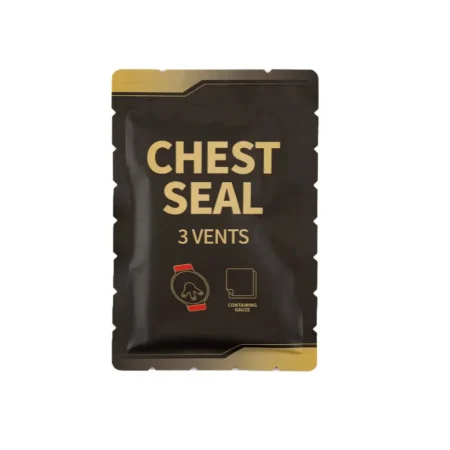
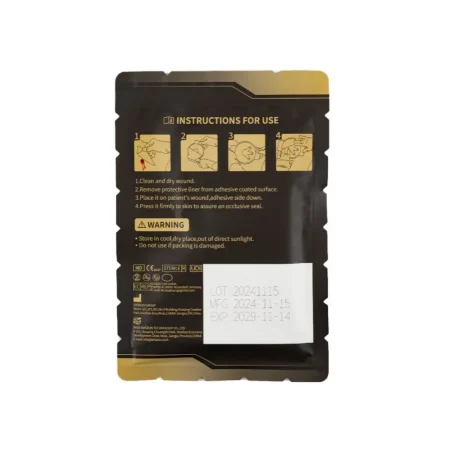

Chest Seal
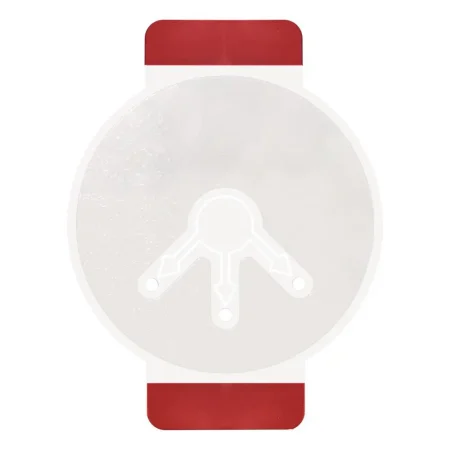
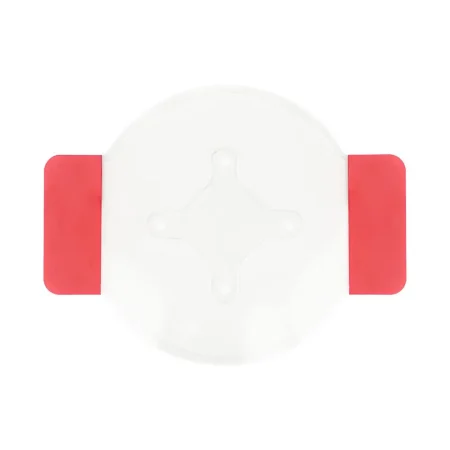
A chest seal is an advanced occlusive dressing designed to treat open chest wounds. Penetrating injuries to the chest that result in open chest wounds may lead to tension pneumothorax, the second leading cause of preventable death on the battlefield. Chest Seals are specifically designed with a medal-grade hydrogel adhesive strong enough to adhere to skin that is exposed to blood, sweat, hair, sand, or water.
- Strong adhesion: Gel adheres in the presence of blood. Hair, sweat, and sand do not affect adhesion when submersed in water.
- Transparent: Allows for visual placement over the wound.
- Three-ways value: Ensures airflow from the chest cavity under austere operating conditions.
- It can minimize internal obstruction from blood clots or soft tissue.
- Double handle design: Configured for ease of use in low-light environments.
- Parameter
- Certificates
| Model No. | non hole-PZXF0039/3 hole-PZXF0038/4 hole-PZXF0008 |
| Product Size | 167 * 217 mm/ 6.5 * 8.5 in |
| Package | 200pcs/carton |
| Material | Hydrocolloid |
- CE
- FDA
Contact our sales team for more certificate details.
A1: The MOQ is 1000 pcs. Please contact our sales team for details.
A2: A chest seal is used to seal penetrating chest wounds and help prevent air from entering the chest cavity.
A3: A vented chest seal allows air to escape while preventing outside air from entering. A non-vented chest seal provides a complete seal over the wound.
A4: For penetrating wounds, we recommend a twin pack containing both vented and non-vented chest seals. One can be used to seal the wound and prevent air from entering, while the other can help manage and release trapped air when necessary.
A5: Our chest seals have been tested by SGS and provide strong adhesion to meet demanding emergency and tactical applications. Individual adhesive testing can also be performed for each batch of production.
A6: Yes. The adhesive has passed aging and temperature tests, with corresponding test reports available. It maintains reliable adhesion without adhesive overflow under high, low, and alternating temperature conditions.