
When choosing medical supplies for your organization, you may wonder whether you need a first aid kit or a trauma kit. Both help you prepare for emergencies, but they serve different purposes. A first aid kit covers common injuries, while a trauma kit focuses on serious injuries, such as severe bleeding and chest wounds.
Understanding the difference between a first aid kit vs. trauma kit helps you choose the right supplies for your workplace, team, or customers. This guide compares their contents, applications, and key factors to consider before making a purchase.
First Aid Kit vs. Trauma Kit: What’s the Difference?
The main difference is the type of injuries each kit is designed to address. A first aid kit helps you manage common injuries, while a trauma kit focuses on serious injuries that need quick medical care.
First Aid Kit: For Everyday Injuries
If you need supplies for common injuries, a first aid kit is usually the right choice. It helps you provide basic care for small cuts, scrapes, minor burns, and sprains before professional medical help arrives.
A standard first aid kit may include adhesive bandages, gauze pads, antiseptic wipes, medical tape, gloves, and burn dressings. You can use these items to clean, cover, and protect minor wounds.
You may need first aid kits in offices, schools, vehicles, public facilities, and other places where people need access to basic medical care.

Trauma Kit: For Serious Injuries
If your work environment involves a higher risk of serious injuries, you may need a trauma kit. It is designed to help control severe bleeding and support care for other serious injuries before professional medical help arrives.
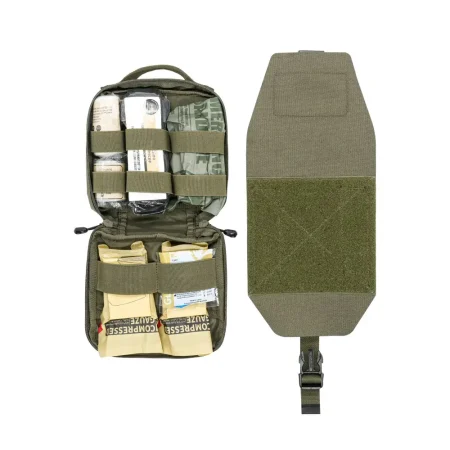
A trauma kit may include tourniquets, hemostatic gauze, emergency bandages, and chest seals. Depending on your needs, it may also contain airway supplies and other medical tools.
You may need trauma kits for military operations, law enforcement teams, EMS services, and other high-risk environments.
First Aid Kit vs. Trauma Kit: Key Differences
Use this comparison to understand which type of medical kit better matches your needs.
| Comparison | First Aid Kit | Trauma Kit |
| Primary Purpose | Treat common injuries | Address serious traumatic injuries |
| Main Injury Types | Cuts, scrapes, minor burns, and sprains | Severe bleeding, penetrating wounds, and serious trauma |
| Key Supplies | Bandages, gauze pads, antiseptic wipes, and medical tape | Tourniquets, hemostatic gauze, emergency bandages, and chest seals |
| User Requirements | Basic first aid knowledge | Training for specialized trauma supplies |
| Design Focus | Organized storage for general medical supplies | Fast access to critical medical supplies |
| Common Applications | Offices, schools, vehicles, and public facilities | Military, law enforcement, EMS, and high-risk workplaces |
These categories are not based on two fixed lists of supplies. Some first aid kits include trauma supplies, while some trauma kits also contain basic wound care items. What matters most is the kit’s intended use, its contents, and the needs of the people who will use it.
First Aid Kit Contents vs. Trauma Kit Contents
When comparing first aid kit contents and trauma kit contents, you will find that some supplies may overlap. However, the main items differ because each kit serves a different purpose.
Common First Aid Kit Contents
If you need a kit for everyday injuries, you may include the following supplies:
- Adhesive Bandages: Cover small cuts and scrapes.
- Gauze Pads: Absorb blood and cover wounds.
- Antiseptic Wipes: Clean the skin around a wound.
- Medical Tape: Hold dressings and bandages in place.
- Burn Dressings: Provide basic care for minor burns.
- Medical Gloves: Help protect you from direct contact with blood and body fluids.
- Trauma Shears: Cut clothing or bandages when needed.
The exact contents should match your intended use, the number of people you need to serve, and your workplace needs. Read our guide to first aid kit contents to learn more about common supplies and their uses.
Essential Trauma Kit Supplies
If you need to prepare for serious injuries, your trauma kit may include the following supplies:
| Medical Supply | Main Use |
| Tourniquet | Help control severe bleeding from an arm or leg |
| Hemostatic Gauze | Help control bleeding in suitable wounds |
| Compressed Gauze | Pack suitable wounds and apply pressure |
| Emergency Bandage | Apply pressure to a wound |
| Chest Seal | Cover an open chest wound |
| Nasopharyngeal Airway | Help support breathing in suitable patients |
| Emergency Blanket | Help keep the body warm |
| Permanent Marker | Record important information, such as tourniquet application time |
You do not need every item in every trauma kit. The final contents depend on the users, possible injuries, training, and emergency response needs. Some supplies also require specific training before use.
Which Medical Kit Is Suitable for Different Industries?
Your industry and work environment determine which medical supplies you need. Consider the risks your team may face before choosing a medical kit.
| Industry or Application | Suggested Medical Kit |
| Office and Workplace | Standard First Aid Kit |
| Warehouse and Manufacturing | First Aid Kit with extra trauma supplies based on risk |
| Construction and Mining | First Aid Kit with specialized trauma supplies |
| Military and Law Enforcement | Tactical Trauma Kit |
| EMS and Prehospital Care | Comprehensive Emergency Medical Kits |
| Outdoor and Remote Work | First Aid Kit with extra trauma supplies |
If you manage an office or school, you may mainly need supplies for common injuries. If you manage a warehouse or factory, you should also consider risks from machines, heavy equipment, and workplace accidents. These environments may require extra supplies for serious injuries.
If you supply military or law enforcement teams, you may need specialized medical supplies for severe bleeding and other serious injuries. For EMS teams, you may need a wider range of medical equipment to support patient care before hospital arrival.
Your industry alone does not determine your medical kit requirements. Even within the same industry, different workplaces may face different risks. A small warehouse and a large manufacturing facility, for example, may need different kit configurations. The number of workers, work areas, available first responders, and emergency response time can all affect your choices.
How to Choose the Right First Aid Kit or Trauma Kit for Your Organization?
When choosing a medical kit for your organization, you need to consider more than its contents. The following five points can help you make the right decision.
Check Your Workplace Risks
Start by looking at your work environment and the injuries that may happen. If your workplace has a higher risk of serious injuries, you may need special trauma supplies in addition to basic first aid items.
Consider the Number of People
Think about how many people your kits need to serve. This helps you decide how many kits you need and how much each kit should hold. You should also consider whether you need kits in several work areas or locations.
Check Your Training and Response Needs
Consider the first aid skills of the people who may use your kits. Some trauma supplies require special training. Make sure your team knows when and how to use them. Your emergency response plan should also explain when to call for professional medical help.
Choose the Right Kit Design
Think about bag size, storage space, materials, and how easily you can find each item. A clear layout helps users locate important supplies faster during an emergency.
For trauma kits, critical supplies such as tourniquets and hemostatic gauze should be easy to identify and reach. You should also consider whether the bag is suitable for wall mounting, vehicle storage, personal carrying, or use in a fixed work area.
Consider Refills and Long-Term Supply
If you purchase medical kits in bulk, you should also consider how you will maintain them over time. Check whether you can order refill packs, track product expiration dates, and keep kit contents consistent across different orders.
This is especially important if you manage several locations or supply medical kits to different customers. A reliable supply plan helps you replace used or expired items and maintain consistent product configurations.
If you are a medical distributor or brand, you may also need custom kits for different markets and customers. You can customize the bag design, materials, medical supplies, colors, logos, internal layout, and packaging to match your project requirements.

Frequently Asked Questions
Should You Have Both a First Aid Kit and a Trauma Kit at Your Workplace?
It depends on your workplace risks and local safety rules. If you manage a low-risk workplace, standard first aid supplies may be enough. If your site has a higher risk of serious injuries, you may need extra trauma supplies and trained staff.
Can a First Aid Kit Treat Severe Bleeding?
Your standard first aid kit may contain gauze and bandages, but it may not include specialized bleeding control supplies. Severe bleeding may require a tourniquet or hemostatic gauze. Make sure users have proper training before using these items.
Does a Trauma Kit Require Special Training?
Yes. Some trauma supplies need special training. These include tourniquets, hemostatic gauze, and chest seals. If you provide trauma kits to your team or customers, make sure users understand how to use the supplies and follow product instructions and medical guidelines.
Can a Trauma Kit Replace a Standard First Aid Kit?
Not in every case. A trauma kit focuses on serious injuries, while a standard first aid kit covers more common medical needs. If you manage a workplace or supply medical kits to customers, consider both types based on actual risks and local safety rules.
What Is the Difference Between a First Aid Kit and a Bleeding Control Kit?
A first aid kit covers a wider range of common injuries, such as cuts, scrapes, and minor burns. A bleeding control kit focuses on supplies used to help control serious bleeding, such as tourniquets, hemostatic gauze, and pressure dressings. The exact contents depend on the intended use and the training of the users.
Conclusion
Choosing between a first aid kit and a trauma kit depends on your workplace risks, users, and emergency response needs. By understanding these differences, you can select the right supplies and plan for long-term use. If your requirements are specific, custom medical kits can help you match the contents and design to your needs. Contact EMSRUN for more details.

